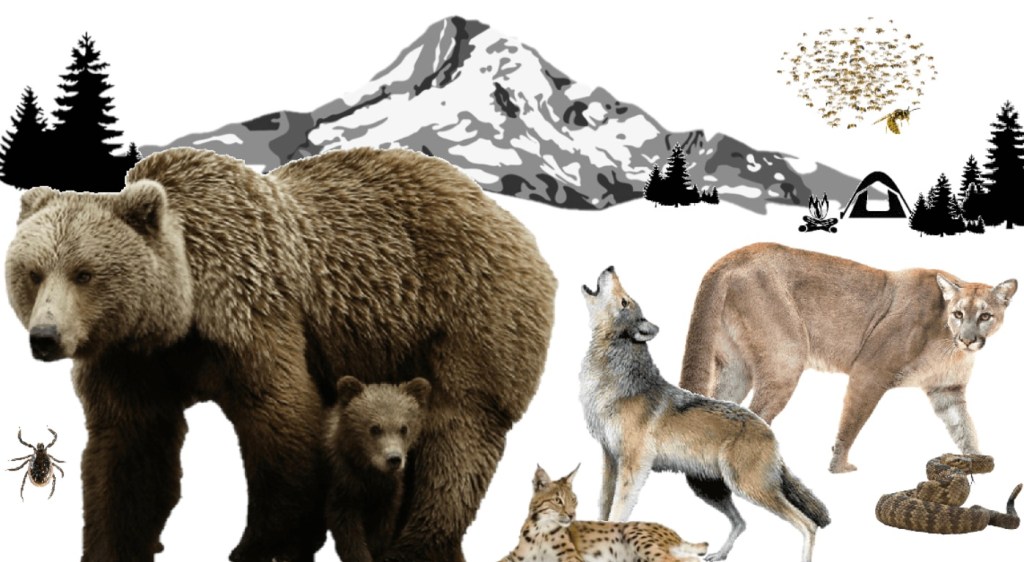
So you want to go hiking and you’ve got the gear (it counts if it’s in your shopping cart, that’s only a click away from being yours) and you’ve picked a spot and you present this to your friends and family. You’re over the moon excited and ready to head out, then someone asks, “what about the bears?” or “aren’t you worried about the cougars?” and you realize… SHOOT! I haven’t thought of that (or you had but weren’t worried until someone started telling you stories and what-if scenarios and showing you articles)…
OR maybe you’re already out there and you hear a distinct roar and you don’t know what it is and your blood pressure explodes and your lives flash before your eyes (trust me… fear can be really intense) and you’re thinking
WHAT DO I DO?!?!?!?!
Well… nature has wildlife and before you get stressed out and label this as a deterrent for getting started… the likelihood of an animal attacking you or even being within sight, sound, and mind is very slim. Wild animals don’t usually like to be around humans and they don’t see us as food… more of an annoyance (and sometimes threat). Just leave them alone and never turn your back or run from them. Teach your kids to listen to you at all times when you’re on the trails and always keep them close (they go for the least threatening part of the pack first).
Anyways, before I go on about specific animals you could encounter in the PNW (I’ll add more with time) I’m going to go over some general facts and information. Feel free to follow a button below for a specific animal (this is a work in progress and requires lots of research so come back for more later!) or keep reading to get a full picture:
Here are some great articles about deaths resulting from animals in the US:
- https://www.wemjournal.org/article/S1080-6032(97)70944-X/pdf
- https://www.sciencedaily.com/releases/2018/02/180228112528.htm
- https://www.sciencealert.com/what-are-the-worlds-15-deadliest-animals
Wildlife habitat in the world is being destroyed at a rate of approximately 5,760 acres per day or 240 acres per hour.
– African Conservancy
The population of wildlife throughout the world decreased in size by approximately 52 percent between 1970 and 2010. The human population more than doubled in size during the period.
– World Wildlife Fund
Approximately 30,000 species per year — about three per hour — are being driven to extinction.
– Harvard University
Dogs, insects (like hornets and wasps), and farm animals kill more people in the US than wild animals, so while you worry about the wild animal that would rather not be seen by a human, they may eventually become a non issue at the rate humans destroy their habitats and cause them to feel threatened in the first place. That being said, you are in the wild and an encounter is probable… and the animal could be a little peeved about finding it harder and harder to find food… so when it happens you should be appropriately prepared. You want to both leave the situation with heightened blood pressure and nothing more. So without further ado, here’s the basics when it comes to encounters in the wild:
If you do come across an animal, remember the golden rules:
- STAY CALM
- Let animals know you’re human
- Be loud (many moms I’ve spoken to swear by a gun as their noise maker, one shot just to scare)
- Be big (stay in a pack and being on higher ground is best)
- Don’t run
- Don’t turn your back, and move away slowly
- Keep your neck and other vulnerable body parts covered
- DO NOT GO NEAR ANY BABIES, no matter how cute they are and alone they look
- STAY CALM
It is important to note that when I say animal encounters… I mean all animals. Sure I’m focused on the more dangerous ones, but it’s just as important to be mindful and respectful of your space from all wild animals. This includes birds, reptiles, deer, moose, etc… they may look harmless but you’d be surprised how much harm a deer can do to you if it feels threatened, especially if it thinks you’re a threat to it’s offspring. As a species we’ve done enough to wild animals, so it’s a good idea to just admire from afar and leave the animal be. Respect Nature.
Here is a great site with a video on tips and best practices: https://www.conservationnw.org/wildlife-safety-101-tips-and-best-practices-for-recreating-near-wildlife/
Here is a great site I used as a guide when I started out: https://www.rei.com/learn/expert-advice/wildlife-safety-tips.html
The best practice of all is prevention: reduce your smells (especially food by sealing and keeping it away from your camp), make your presence known (make noises while you hike), be aware, educate yourself on animal sounds and hunting habits, research the area you’re going into, get rid of your waste appropriately, and never feed the animals. When you do encounter an animal keep your distance and retreat without turning your back and STAY CALM.
Here is a great article about the likelihood of an animal attack and whether you’re safer in a tent: https://decideoutside.com/do-animals-attack-tents-how-to-feel-safe-while-camping/
Bears
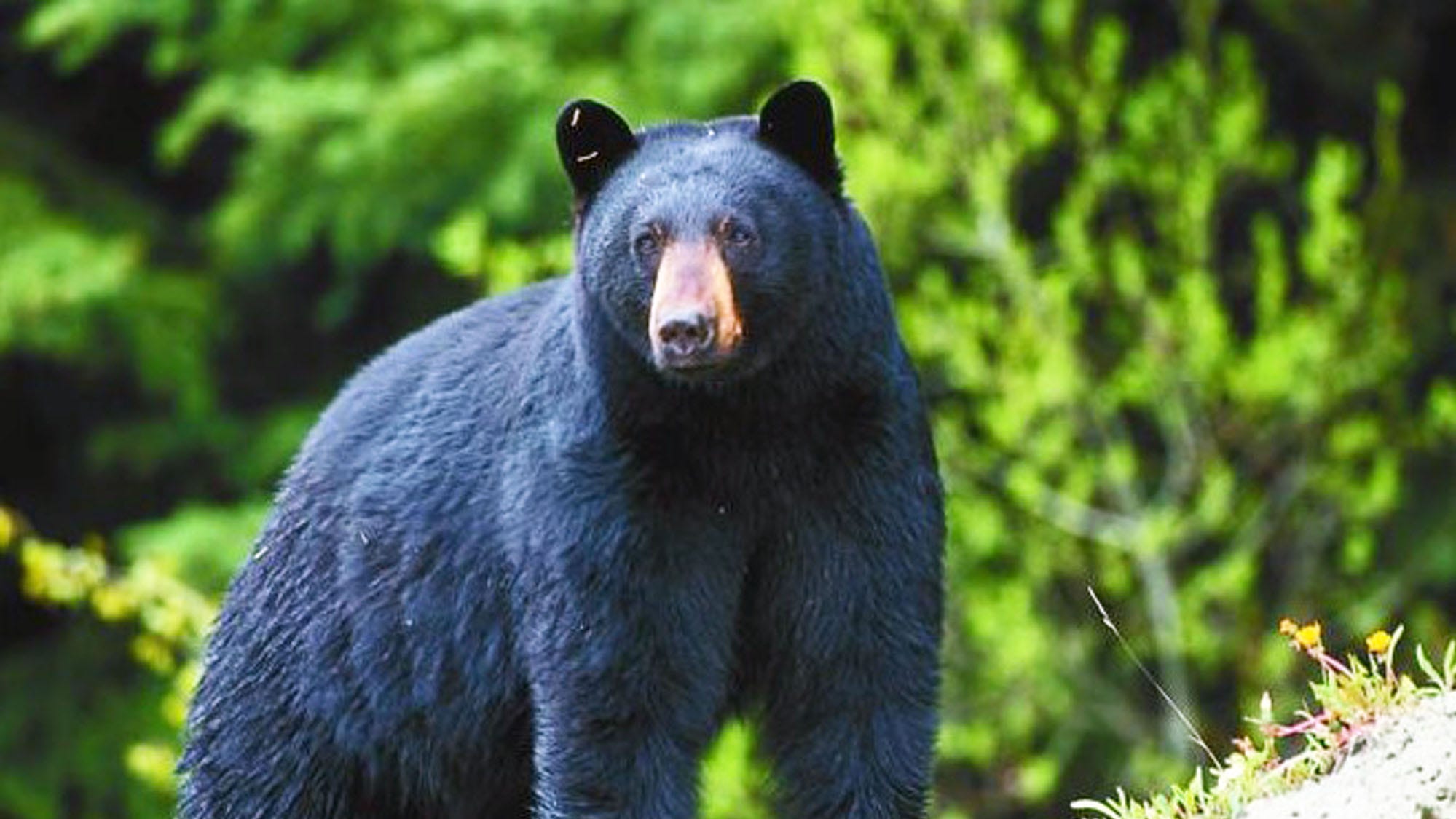
There are many species of bears: grizzly, polar, brown, sun…. etc. If you’re hiking in the PNW you’re most likely to encounter a black bear which is waaaay less scary than a grizzly (Grizzlies are more likely in Wyoming, Montana, Alaska, Canada, Idaho, and other colder climates).
Bears aren’t usually bothered by your presence unless they’re hungry or have babies around. They like to mind their own business for the most part. In an encounter your best bet is to back away without turning your back and go back where you came from. There are many circulating approaches to handling a bear encounter, and the debate can get lively if you’re around regular outdoor folk… but if it goes south, a bear attacks. You do not want to be charged by a bear. So if backing up isn’t working because you think maybe it noticed you, well:
- Do not approach the bear, in fact if the bear acts like it doesn’t notice you that’s a good thing.
- If the bear acts indifferent, go back the way you came without turning your back and keep your eyes on the bear until you can’t see it anymore.
- If there are babies, DO NOT GO ANYWHERE NEAR THE BABIES (or bear)
- If the bear notices you and you have food, drop the food and back away keeping your eyes on the bear. Food makes a great distraction.
- DO NOT CLIMB A TREE – bears can climb too you know
- If a bear huffs and puffs but isn’t moving towards you, take the warning signal and leave. It’s all talk at the moment, just don’t turn your back or run.
- If the bear starts approaching you, ditch your food if you can (or even your pack) as a deterrent.
- NEVER take your eyes off the bear until you’re well out of sight then maintain awareness
- STAY CALM
Grizzlies and Black Bears are different in some ways: Black bears won’t leave you alone when you play dead, they’re too curious and if they want to attack you, you won’t fool them. Grizzlies can become disinterested by you playing dead, but, they’re not stupid. Make sure to lay on your stomach and cover your neck if that’s your go to move.
If you see one (you’ll likely hear it’s heavy footsteps and breathing before seeing it) outside your tent but you’re inside… hopefully you have a second door and can peak out and quietly slip away if it’s a safe thing to do. If you can’t, you have two options: try and stay quiet in your tent and hope it goes away or be really loud and big and hopefully you intimidate it into leaving. I’ve done both depending on the time of day and how many people are in my party… Once we scared off a bear because we all started shaking our tents.
To be honest, it’s probably just looking for food and hopefully, because you practice appropriate food storage, you don’t have anything in your tent to attract it inside. Some good ideas when pitching a tent to prevent a bear from being interested: don’t camp near water or your food storage (go at least 100 paces away), if you’re cooking do so at a distance as well, keep toiletries clean and scent free, and make your bathroom somewhere far from camp. Here is a good website for more information: https://trailandsummit.com/how-do-you-bear-proof-a-tent/
Bear Spray: sold everywhere… and carried by many. The best case scenario is you never need it, but the worse case scenario is you use it and the bear just gets angrier. If you do carry this make sure the bear is within the appropriate range and you actually need it because the last thing you want to do is piss off a bear that’s just curious. If it gives you peace of mind, absolutely carry it, just read the instructions carefully and ask the salesperson how to operate that specific one. Bear spray is useful for more than just bears as well, just don’t spray inside a closed area.
Learn facts about Bears: https://bear.org/bear-facts/black-bears/basic-bear-facts/
Grizzly Bear sounds: https://www.nps.gov/yell/learn/photosmultimedia/grizzlysounds.htm
Bear Sounds: https://www.wildrevelation.com/bear-sounds-bear-vocalization-and-communication/
More Bear sounds: https://bear.org/vocalizations-and-body-language/
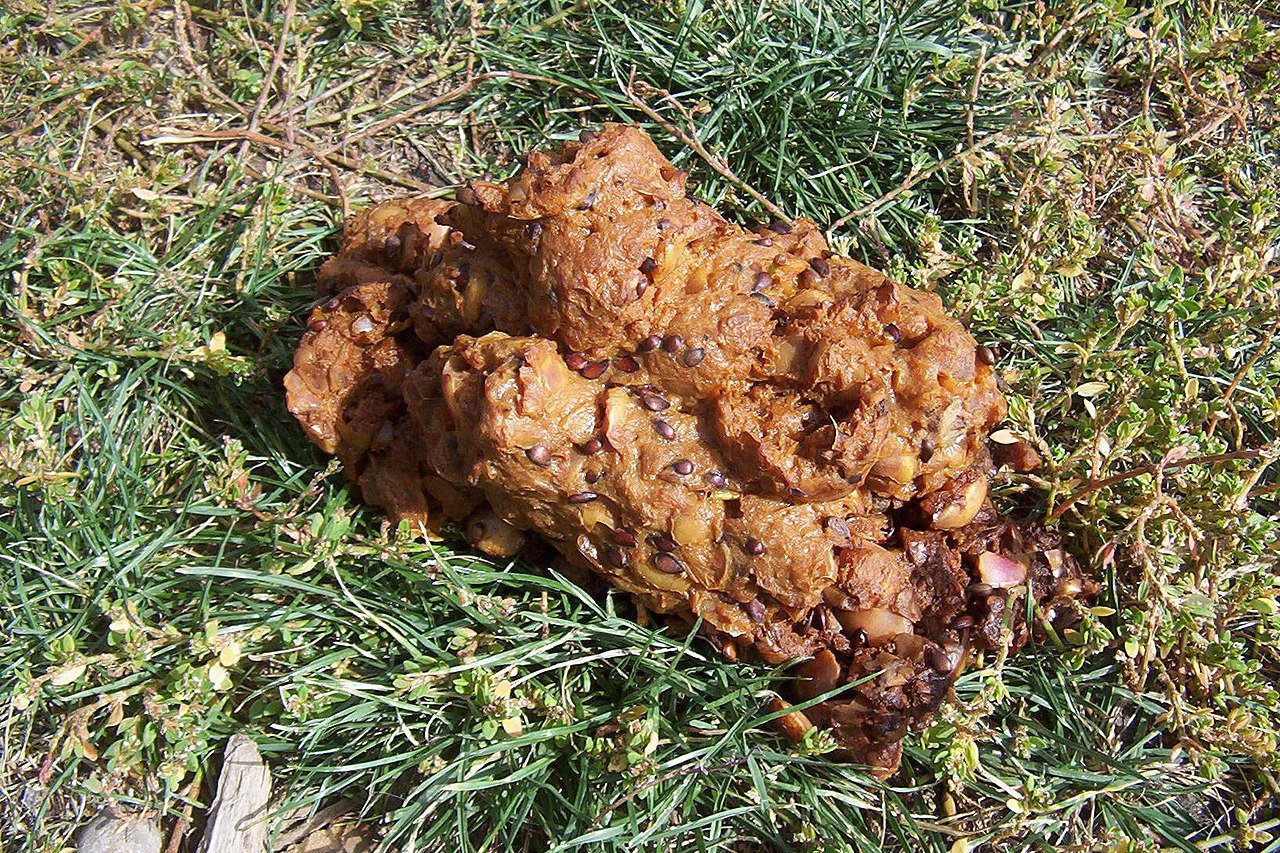
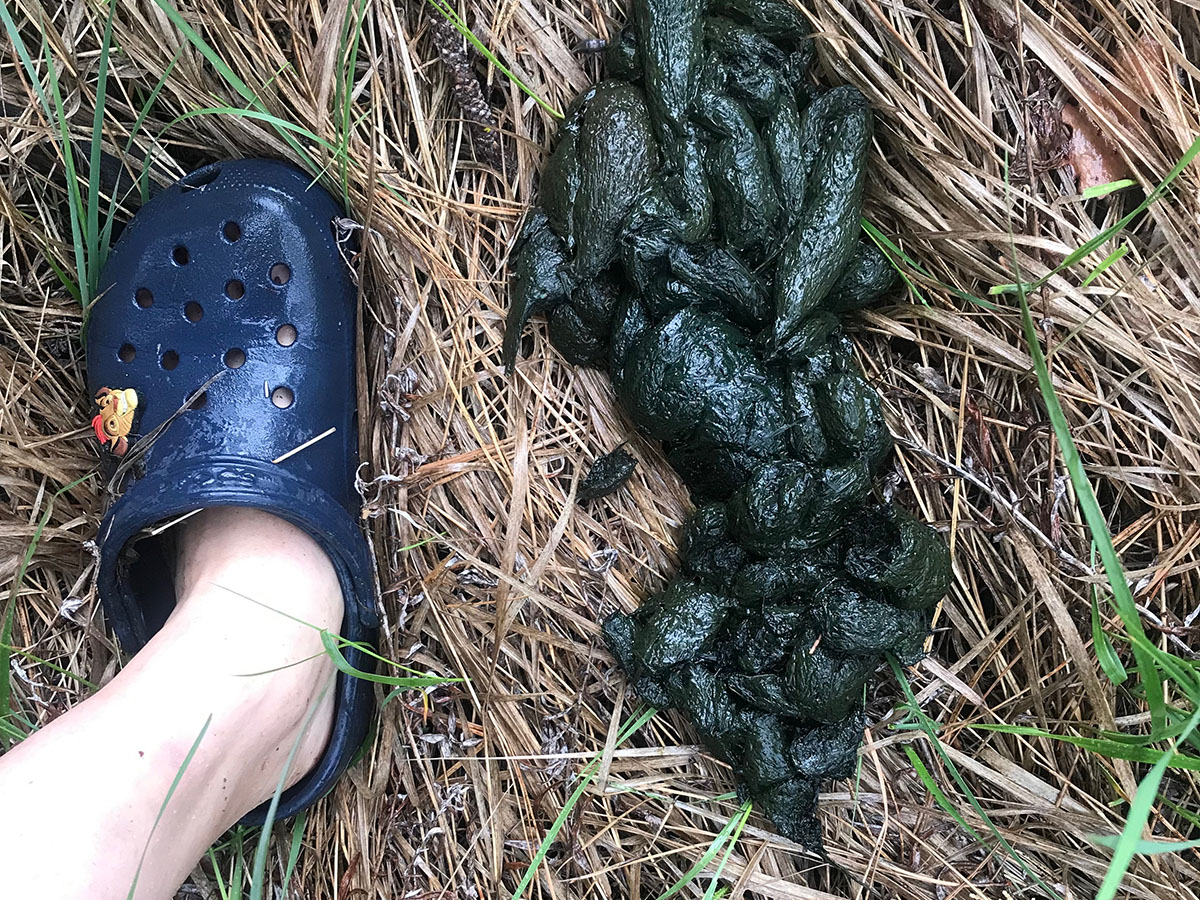
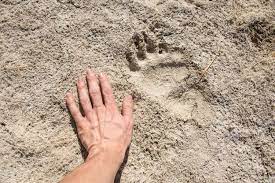
And because it’s important to note signs of a bear nearby, I am including links about their poop (aka scat) and prints. Bear poo is one of those poos that changes in color and consistency depending on what they eat… if it looks like poo a human that is 8′ tall would make full of berries, grass, bugs, or just plain dark in color… it’s probably bear poo. The warmth and newness of the pile will also let you know how recent and close that bear would be. Bears can run up to 25 mph.
Bear Poop: https://www.wideopenspaces.com/bear-scat-how-to-identify-poop-from-the-most-common-species/
Black Bear Prints and Poo: https://www.bear-tracker.com/blackbeartracksandsigns.html or https://www.wildernessarena.com/skills/tracking-and-signs/how-to-identify-black-bear-tracks-signs
Wolves (and Coyotes)
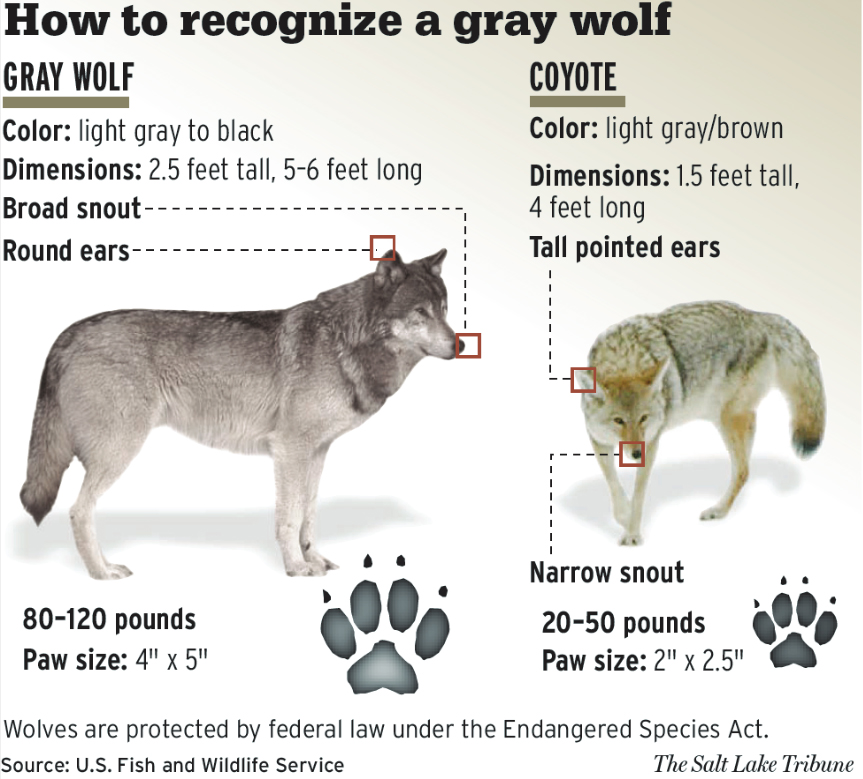
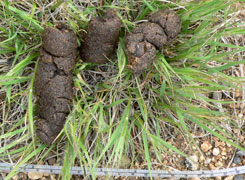
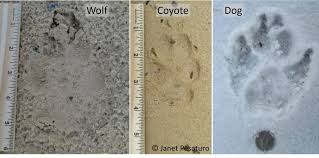
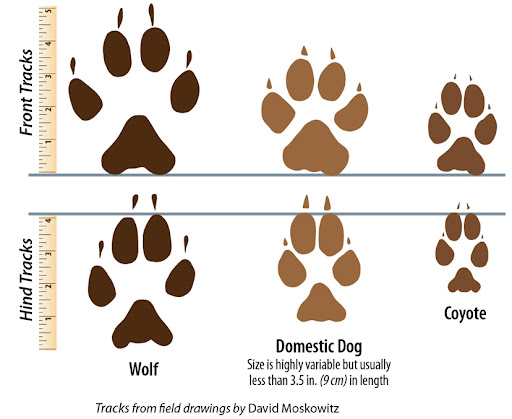
Wolves… travel in packs. That’s the first thing you need to know about them. If you see one then there are probably more and they’re hiding and waiting for a chance to overpower you. If not, well then the wolf isn’t hunting and it becomes less threatening… but it doesn’t take much for it to summon others if they’re nearby.
Coyotes…. are nocturnal and shy. They also travel in packs that tend to be larger than wolf packs. Their ears look weird compared to the wolf (and sometimes they chase road runners, jk!). You’re more likely to be killed by a flying golf ball than a coyote, but sometimes they get really hungry. The biggest concern about coyotes? Rabies.
I lumped Coyotes and Wolves together because they’re not much different other than the area you might encounter one… or a pack.
First off: Prevention
- they don’t like smoke and fires
- keep your food stored correctly and away from your campsite
- the bigger your group the less they’ll bother you
- avoid areas that have had recent sightings, do your research on the area you’re going into
- don’t approach or provoke them, even if it looks to be alone (if you can, try to not be seen by one)
- Keep your dog close and don’t let it mark too much territory around you.. this is an attractant
- It will go for your pet or small child first if it wants to attack
- STAY CALM – they can sense your fear and heart rate
So you tried to prevent an encounter… but one (or a pack) is approaching and you now need to defend yourself
- a gun will do the trick, they’re not very big and if a few go down (or the alpha) the pack will most likely retreat (please try and avoid this option unless the threat is severe and serious).
- Back away slowly and maintain eye contact as you do it
- DO NOT RUN – they like to chase and have pack coordinated hunting procedures
- Act loud, aggressive, and big. Clap, screech, bang things.
- Group up and try to look like a bigger pack, put smaller and weaker humans in the middle
- an air horn is useful too, severe loud noises can disorient a wolf
- If you have to fight, figure out who the alpha is and assert dominance
Wolves and Coyotes are faster, quieter, cunning, and more alert than bears or other wildlife so you’re less likely to even spot one nearby. It’s good to practice prevention even if you see no signs of one if you’re an area where they could be.
Learn facts about Wolves: http://www.wolfmatters.org/wolf-facts.html
Learn facts about Coyotes: http://naturemappingfoundation.org/natmap/facts/coyote_k6.html
Sounds of a wolf: https://www.nps.gov/yell/learn/photosmultimedia/sounds-wolves.htm
Sounds of a Coyote: https://www.nps.gov/yell/learn/photosmultimedia/sounds-coyote.htm
A good website defining the difference between a wolf and coyote: https://wildlife.ca.gov/Conservation/Mammals/Gray-Wolf/Identification
Cougars (and Mountain Lions, Pumas, Panthers)
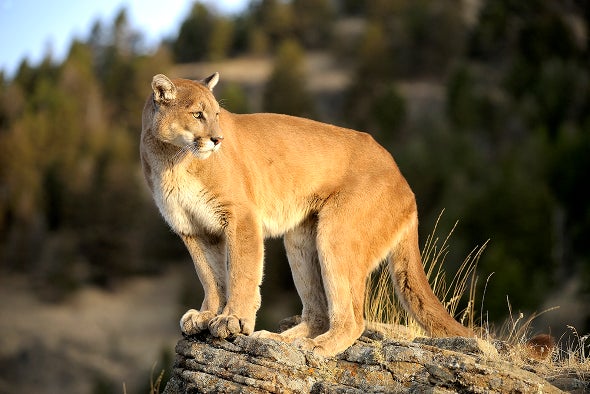
They’re all the same thing, aka Puma concolor! But they are called different names depending where you are and who you talk to. Before I get into this species… I just want to point out that these are the animals I am most afraid of running into. My daughter constantly brings up Bears and I always shrug and say it could be worse… because the animal that always pops into my head that I’m most afraid of is… Cougars!
Don’t beleive me that they’re all the same? Here: https://a-z-animals.com/blog/cougar-vs-mountain-lion-what-are-the-differences/ or https://mountainlion.org/about-mountain-lions/frequently-asked-questions/
The peace of mind I get while out there is that Cougars rarely attack humans. In fact, you’re not even likely to know one is around (and I promise you it already knows you’re there even if you don’t see any signs) because they tend to stay away unless they feel threatened or you seem like an easy target. Best bet? Hike in a group. They’re more likely to go after lone hikers and children. In fact, always scout for recent cougar sightings before going somewhere to decrease your chances. I will wait a few months to be anywhere near a certain area if I’ve heard of any recent sightings, but that’s because I hike with just my little and I’d hate to run into one.
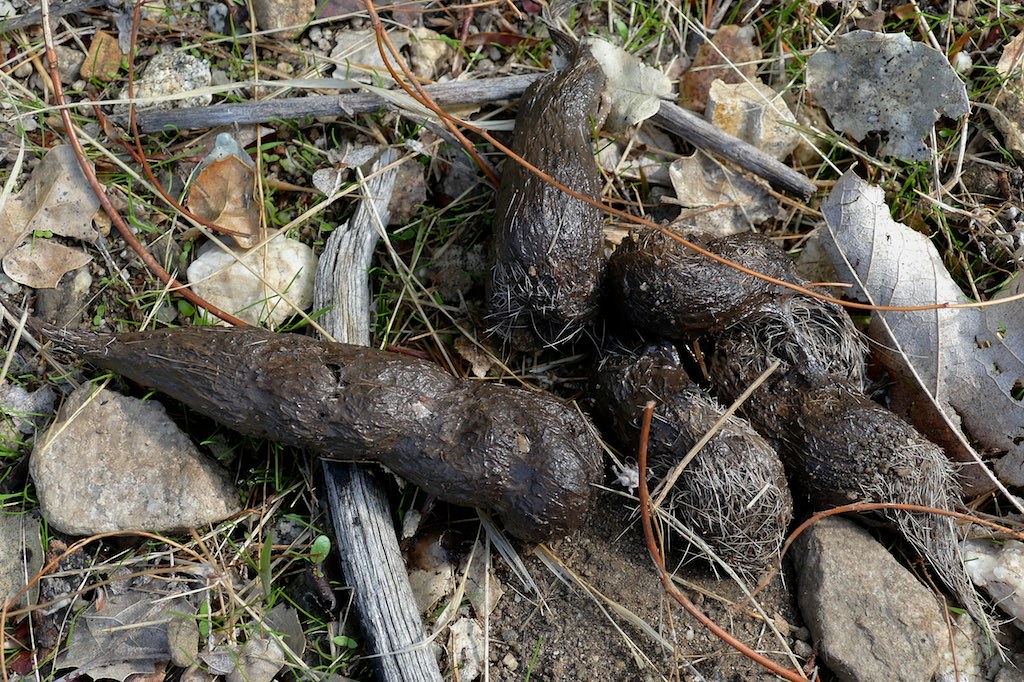
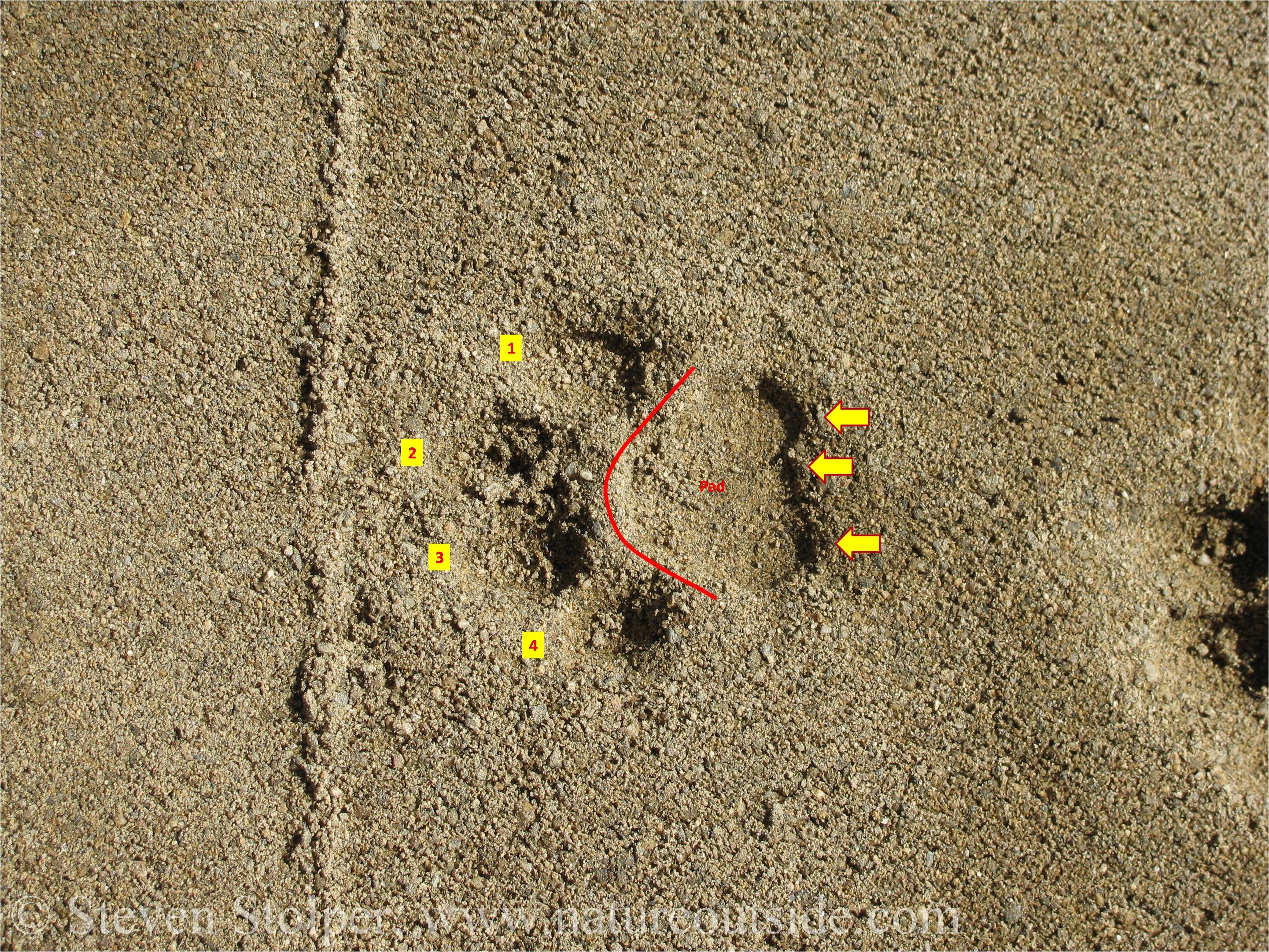
Your best bet for prevention is to look for signs of one: footprints, fresh poop, fresh marks on trees, etc. If you see anything like that that makes you worry…. I’d suggest leaving. Yes, they tend to stay away from humans, but why risk it?
Prevention (trust me when I say Cougars would rather not make themselves known and chances are one saw you and you didn’t know it):
- when you’re out an about make noise so they know where to avoid being
- look big – you want to come off as a predator, not prey
- keep your eye out for signs of a cougar and leave the area immediately if the signs seem fresh (they can retract their claws so pay attention to the shape of the foot pad and number of toes) – if you hear a scream or growl go the other direction and don’t go back or try to go around – that was a warning.
- STAY AWAY from babies
- Keep trash and food in sealed airtight containers and away from your sleeping location
- If you see animals cougar would consider prey, don’t feed them and don’t hangout near them
- Stay away from areas that can give a Cougar the high vantage point or cover to hide behind while stalking you
- stay aware of your surroundings and be alert
- Keep animals and children close by
To emphasize how cute baby cougars are and make them seem less threatening, here is a picture:
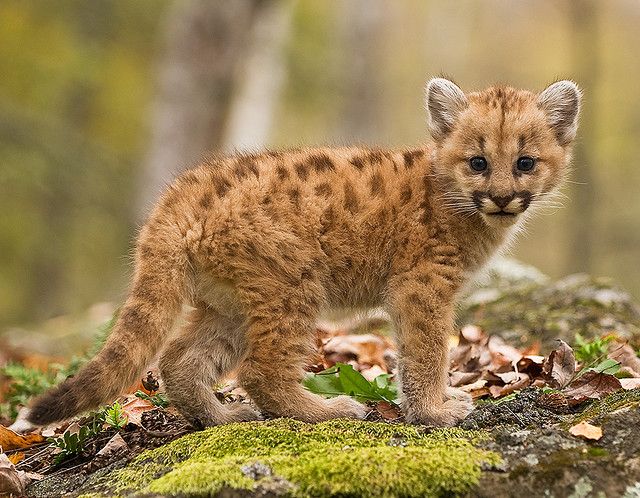
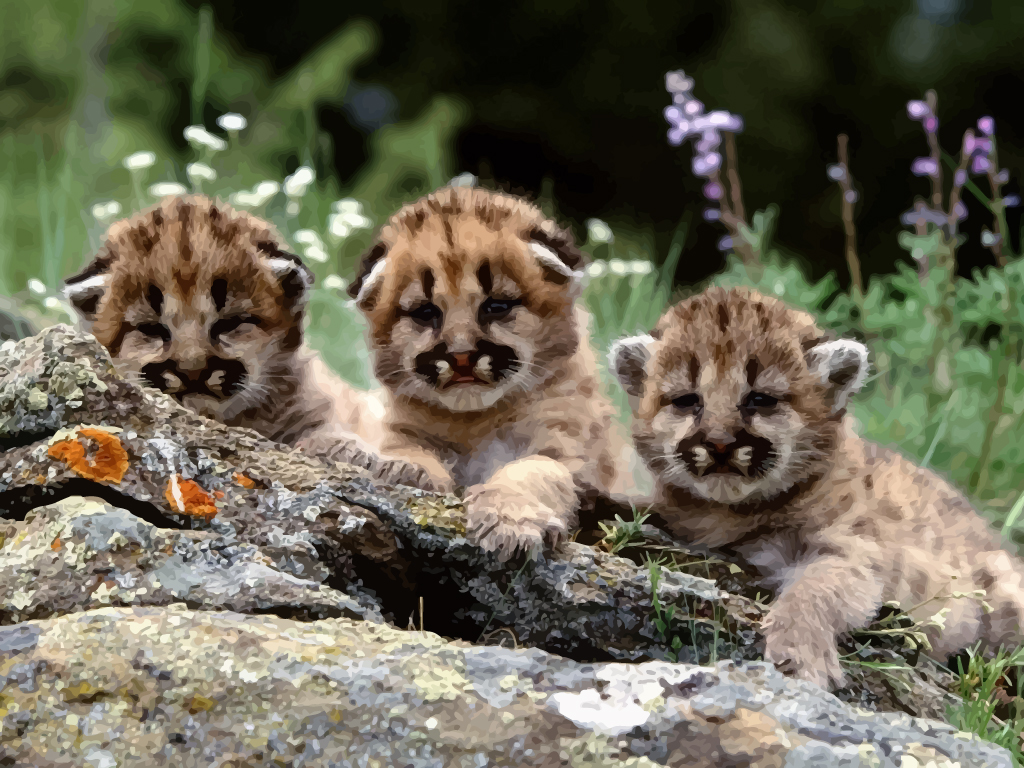
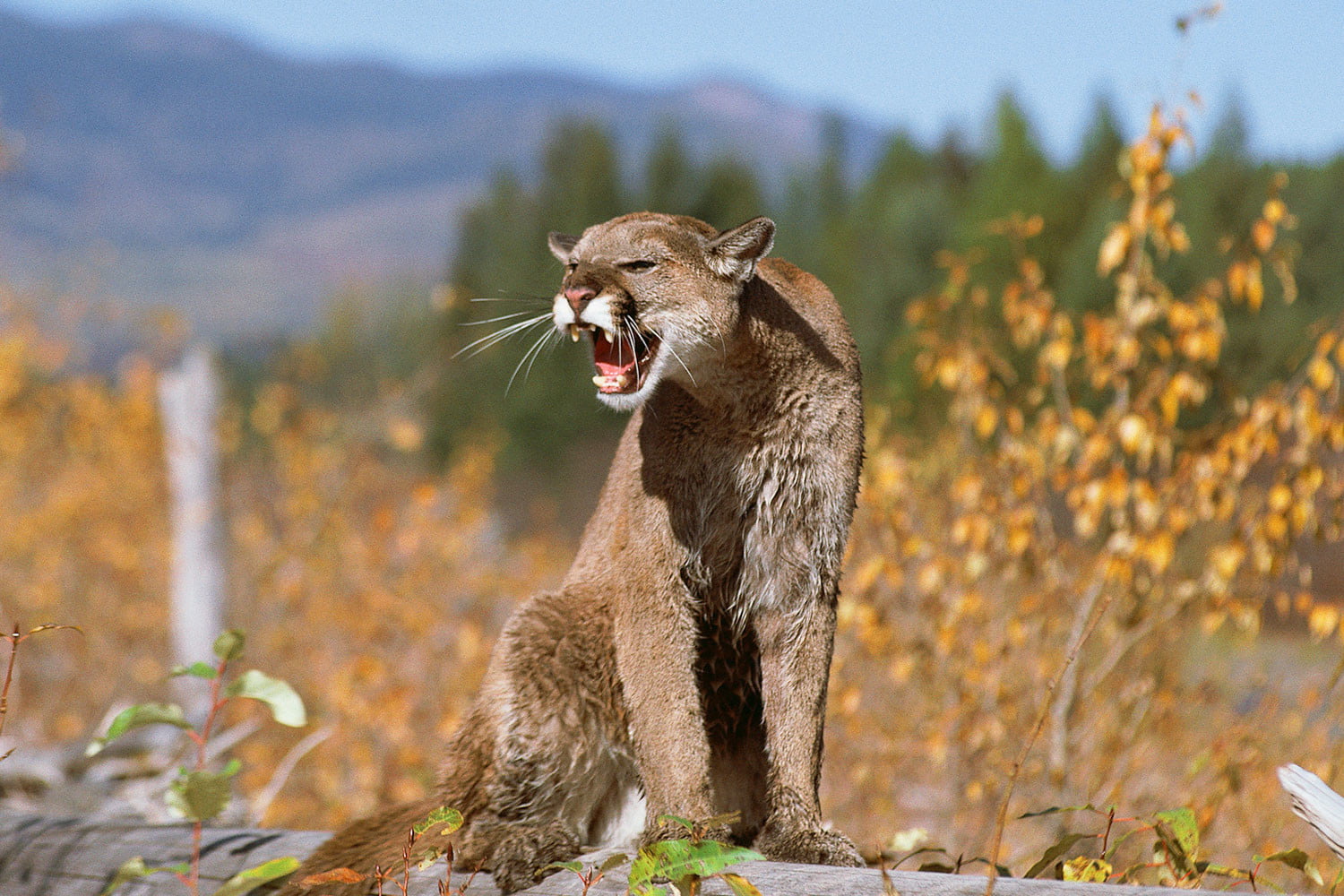
So you tried to prevent an encounter… but one seems interested
- If you have something loud like a gun or air horn use it, they don’t like loud noises
- DO NOT RUN and DO NOT TURN YOUR BACK
- Present yourself as dangerous, large, and scary
- Cover your neck and any other soft supple looking areas with packs and clothing
- Pick up small children and dogs
- DO NOT LOOK A COUGAR IN THE EYES, face it but stare at its feet or neck
- Give the Cougar plenty of space to run away, if it feels cornered it’ll get more aggressive
- Open and close your umbrella at the cougar (isn’t that funny?! It apparently has worked though!)
- Use bear spray if you have it (not proven that it works… but straight in the eyes should be a little effective)
- If it attacks and you gotta fight… go for the face and eyes and jugular with anything you’ve got (people have warded Cougar attacks with sticks and stones and gardening tools… they just need to realize you’re not food). Don’t assume the Cougar is attacking though.. it could just be trying to scare you like in the article below
Here is a story to get your heart racing but inform you:
Here is some more information:
https://www.wta.org/go-outside/trail-smarts/how-to/hike-safely-in-cougar-country
Anyways, Cougars are just big scary mountain cats and they prefer to not be seen or heard and rarely ever come anywhere near a human. If you’re really worried (like I am) then stick to trails and areas that people visit a lot and stay away from areas that are more secluded and quiet. Most importantly, check the wildlife info on the area you’re going to and stay alert. As for poop, think really big cat poop (usually there is fur and bones in it) and for footprints think really big cat with a specific U look to their pad with or without claws (they’re retractable).
If you’re worried about it while sleeping, know that a tent will be your best bet but it’s not guaranteed. Practice prevention. There have been very few reports of cougars breaking into tents… in fact in most of those cases the cougar stands outside and doesn’t know how to get in (or so it seems). Here’s an article in case you missed it earlier in this post: https://decideoutside.com/do-animals-attack-tents-how-to-feel-safe-while-camping/
Learn facts about Cougars: https://animalfactguide.com/animal-facts/cougar/ and https://animalia.bio/cougar
Cougar Sounds: https://www.soundboard.com/sb/cougar_puma_sounds
Snakes (Rattlers Especially)
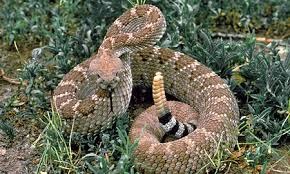
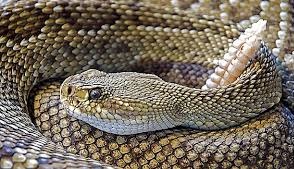
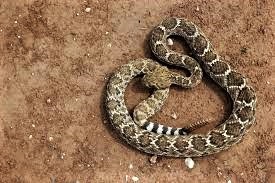
Snakes…. look really scary and cool all at the same time. Here in the PNW, there are pretty much rattlesnakes and other snakes. What I mean by that is there really aren’t many native venomous species… except the Rattlesnake.
Let’s discuss handling snakes: DON’T. Yeah you heard me, leave a snake alone and don’t kill it unless it poses a threat. Snakes are very important to the ecosystem. The best thing to do about snakes is to be educated on the types that could pose a threat, and leave the rest alone.
The most important thing to note about snakes in the PNW is the Rattlesnake is the most dangerous, but it had a distinct sound. The great thing about snakes is you can usually hear them then maneuver around them and not have to worry about it stalking you or needing to turn around and go a different way… unlike Bears and Cougars. It is very important to know what a rattle snakes sounds like, so here are some videos:
Rattlesnake Noises
http://www.californiaherps.com/snakes/pages/rattlesnakesounds.html
Here is a fun internet snake identifier tool: https://www.discoverlife.org/mp/20q?guide=Snakes
A wonderful and lenghty PDF on reptiles and Amphibians in the PNW area if you’re curious: https://static1.squarespace.com/static/57e01f421b631ba91823f357/t/57ffc473bebafba9d1102029/1476379779446/NWPARC_habitat_management_guidelines.pdf
A document about Snake Safety: https://www.fs.usda.gov/Internet/FSE_DOCUMENTS/stelprdb5393596.pdf
Click on the State below to learn about native reptiles and other species in it (very informative PDF):





Or follow the following links for the same information but from a different source:
- Idaho: https://greennature.com/idaho-snakes/
- Oregon: https://myodfw.com/wildlife-viewing/species/snakes
- Montana: https://greennature.com/montana-snakes/
- Washington State: https://wdfw.wa.gov/species-habitats/living/snakes
- Wyoming: https://greennature.com/wyoming-snakes/
Ticks (Completed Soon)
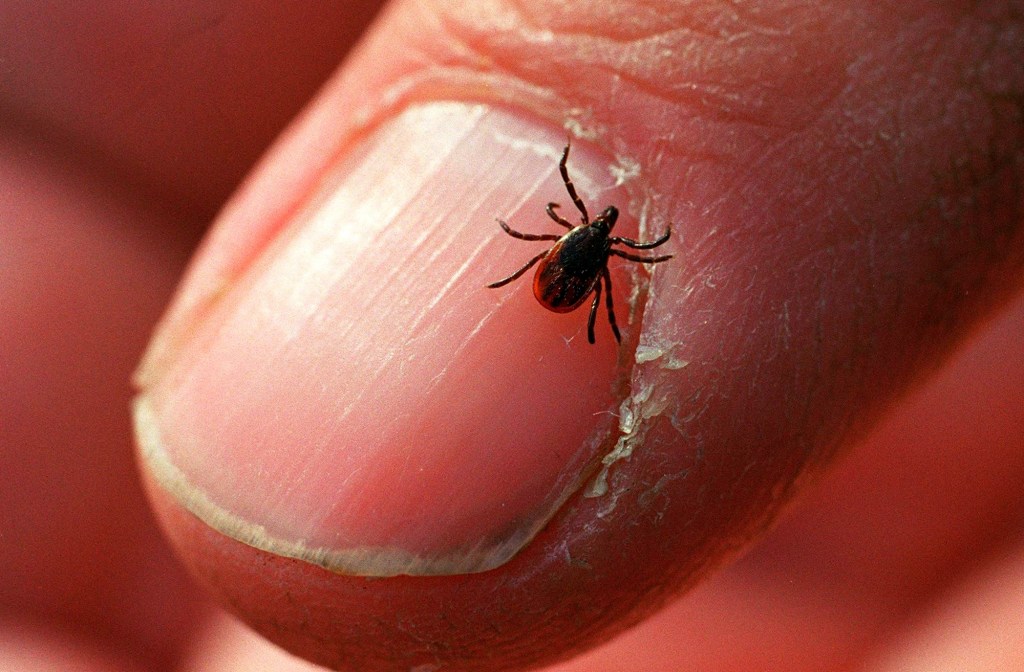
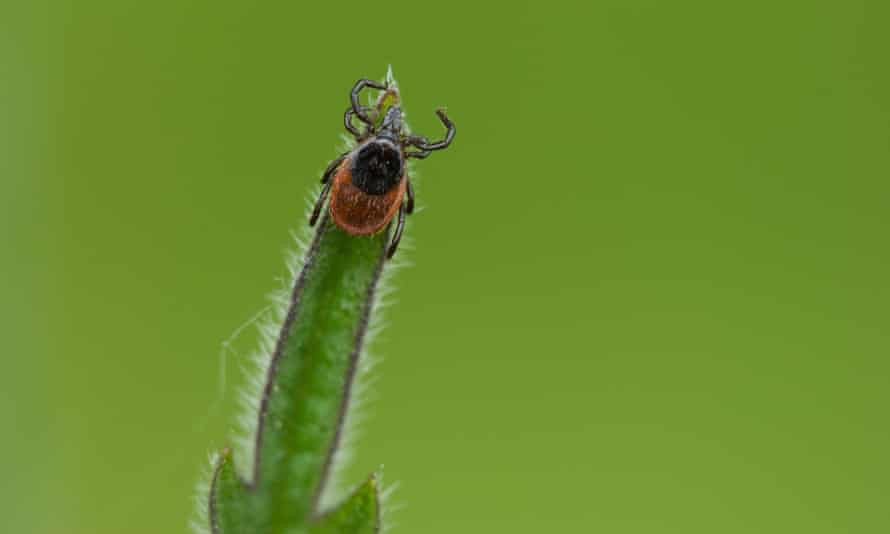
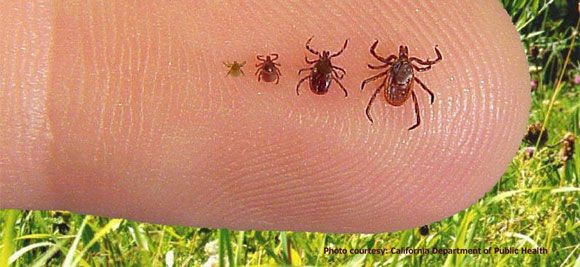
Here is a good site for info: https://www.cdc.gov/ticks/avoid/on_people.html
Prevent Ticks by using bug spray before a hike in an area with ticks, chemicals that deter Ticks include: DEET, picaridin, IR353, para-menthane-diol (PMD), or 2-undecanone. To avoid chemicals, use Oil of Lemon Eucalyptus and soak your clothes/socks the day before your hike. I treat my gear and my clothes and then we lotion up with tick deterring lotions.
Ticks don’t really hurt you, unless they carry Lyme Disease and that’s becoming more and more common these days. Always double check the area you’re going to to see if Ticks are a concern and check for them when your hike is done. It takes a little time for the disease to transmit, but if you do get it, you could spend a lifetime dealing with it. You’ll know you have one because it feels like a giant hard pimple, or ingrown hair bump, or just a smooth raised area on your scalp or in other hairy areas (like your armpit). Many times you can’t even feel them until they’ve sucked enough blood to gain some mass, but start checking ASAP and get someone to help you identify any bumps you feel.
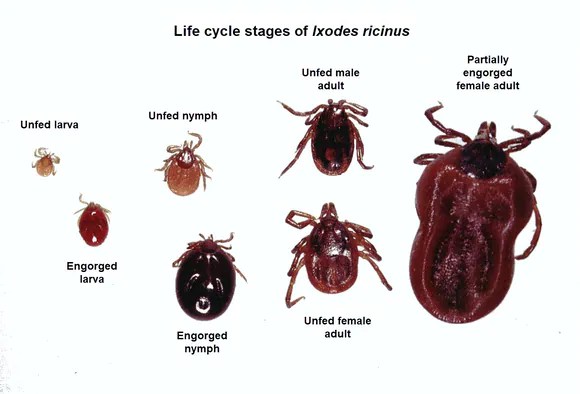
They hang out on the tips of plants and flowers and wait for something to pass by. If you’re close enough it’ll cling to you, find a spot to latch on, and attach itself. They feed on your blood through your skin and this is how they transmit Lyme. Just be careful and use prevention prior to your hikes. In areas of high numbers it doesn’t hurt to soak your clothes and socks beforehand then shower when you get home with hot water and soap. They like dark moist spots on your body. Try to tuck clothes in as much as you can so they can’t find access to your skin. They will travel up and eventually fall off if they give up.
DO NOT try and burn a tick off. Use a removal kit or the old fashioned method of gripping and twisting. You want to fully remove the tick, it’s very easy to get the body without realizing the head became detached and is now burrowing into you and you’ll need help to remove that. The sooner you find and remove a tick, the less likely you’ll have Lyme transmitted. You’ll know there’s Lyme involved if the spot the tick bit has a red rashy looking ring around it.. and even if it doesn’t you should try and take the tick in to your doctor for testing. You don’t want Lyme.
Hornets
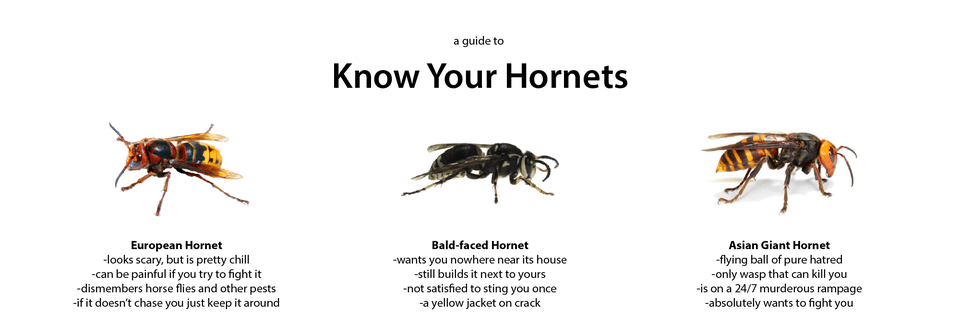
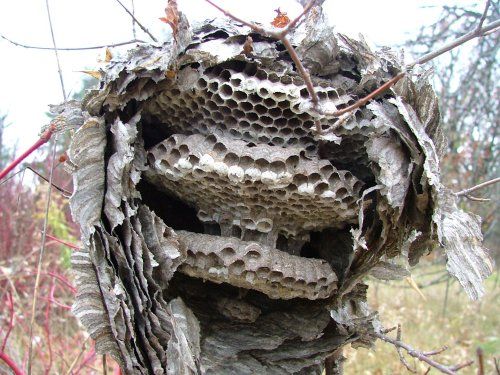
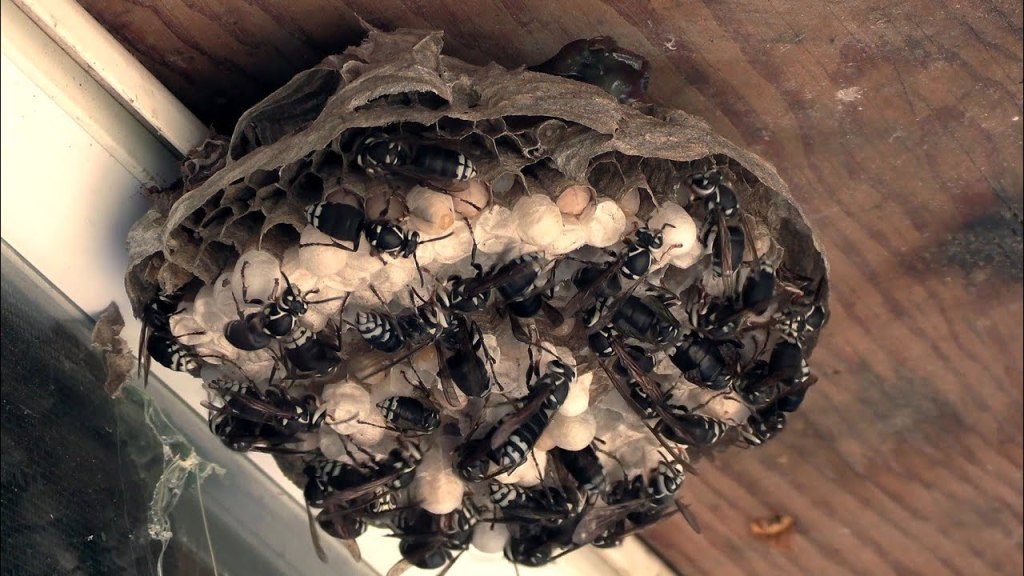
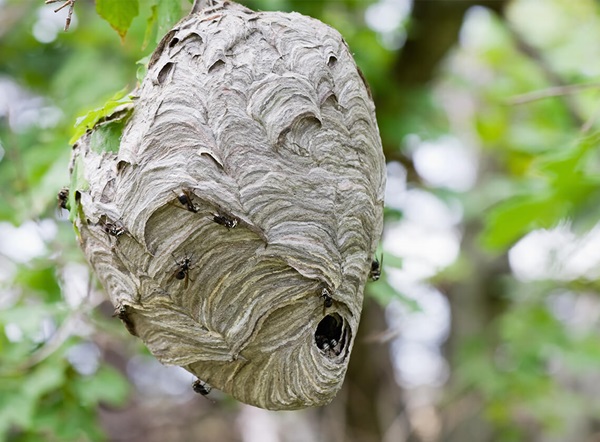
I haven’t gotten around to researching this completely yet, so stay tuned.
WA warning about Asian Hornets: https://cms.agr.wa.gov/WSDAKentico/Documents/Pubs/833-AsianGiantHornet-FactSheet-Hikers.pdf
Some info: https://americanhiking.org/resources/insects/
Here is a fun blogger’s post about this subject: https://restlessbackpacker.com/how-to-survive-a-bees-attack/
I will however say this: STAY THE EFF AWAY FROM HORNETS. They are mean and if they decide to stalk you or think you’re a threat.. they are unrelenting and will sting you as much as they want to. Every sting deposits poison, so be very careful and be prepared to visit a hospital if you get stung one too many times.
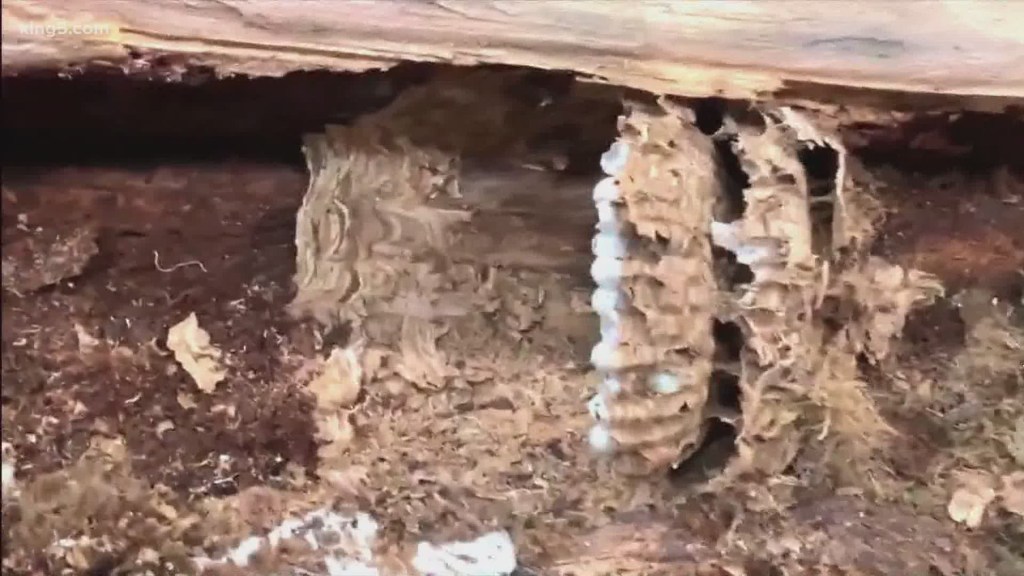
Hornets tend to nest in the ground or in very neat paper like nests under logs and against trees, etc. If you hear reports of people seeing Hornets or experiencing one stalking them at a trail, avoid that area. You do not want to be stalked by one. You also do not want to accidentally run into or step onto a Hornets nest… there have been reports of people being stalked/attacked for miles. They can be relentless and just downright mean. You can always try the age old jumping into water and waiting it out if you don’t have another option… but you’re going to be waiting for awhile. They don’t give up easily. They’re like super bees with a murderous side. In fact, if any bee sees you as a threat, they will wait for you to resurface if you decide to hide in the water… they’re patient.
Don’t mistake them for a Wasp or Honeybee or Bumblebee though. Honeybees can’t sting you multiple times and they rarely want to – they only do as a response to fear. Bumblebees can sting you multiple times, but they’re probably the least likely to sting of all the bees. I used to play with them as a kid and never got stung. That being said, it is wildlife and you shouldn’t play with them and they can sting more than once. Hornets and wasps can sting you multiple times and they will if provoked… but hornets are worse than wasps, and bigger.

A word of caution to this tale: I do not recommend relying on my word alone prior to starting a hike, backpacking, or venturing into the woods. Please take all precautions to do the activity safely and knowledgeably. I am not liable for your choice to take an excursion or for the outcome of your adventure should you choose to go. I can only inform and entertain based on my own experience and I am not qualified to give you real advice.
 Nac Snap Photography
Leave a comment